Noah was professional, knowledgeable, and extremely thorough while working on both my air ducts and chimney. He took the time to explain everything and made sure the work was done properly from start to finish.
Read on GoogleFree Chimney Inspection,
Step by Step
From the firebox to the cap, inside and on the roof. Nine points, each one photographed, so you see the crack before you hear the word "repair".
Or call +1 (737) 299 19 19for free inspection
A chimney fails in two directions. Heat and creosote attack it from the inside: the firebox, the damper, the smoke chamber and the flue. Water attacks it from the outside: the crown, the flashing, the cap and the chase. A fireplace that draws fine can still be letting water into the wall behind it, and a chimney that looks solid from the yard can have a flue liner with open joints.
Why We Inspect
Before We Quote
So the inspection covers both. Half of it happens in the living room with a flashlight and a camera, half of it on the roof. Every defect gets its own photo, with its location, so you can see the problem, understand where it is and decide what to do about it.
The 9-Step
Chimney Inspection
Every step below is part of the same free visit. Under each one: what we check, what can go wrong, and what we photograph so you can see it yourself.
Firebox
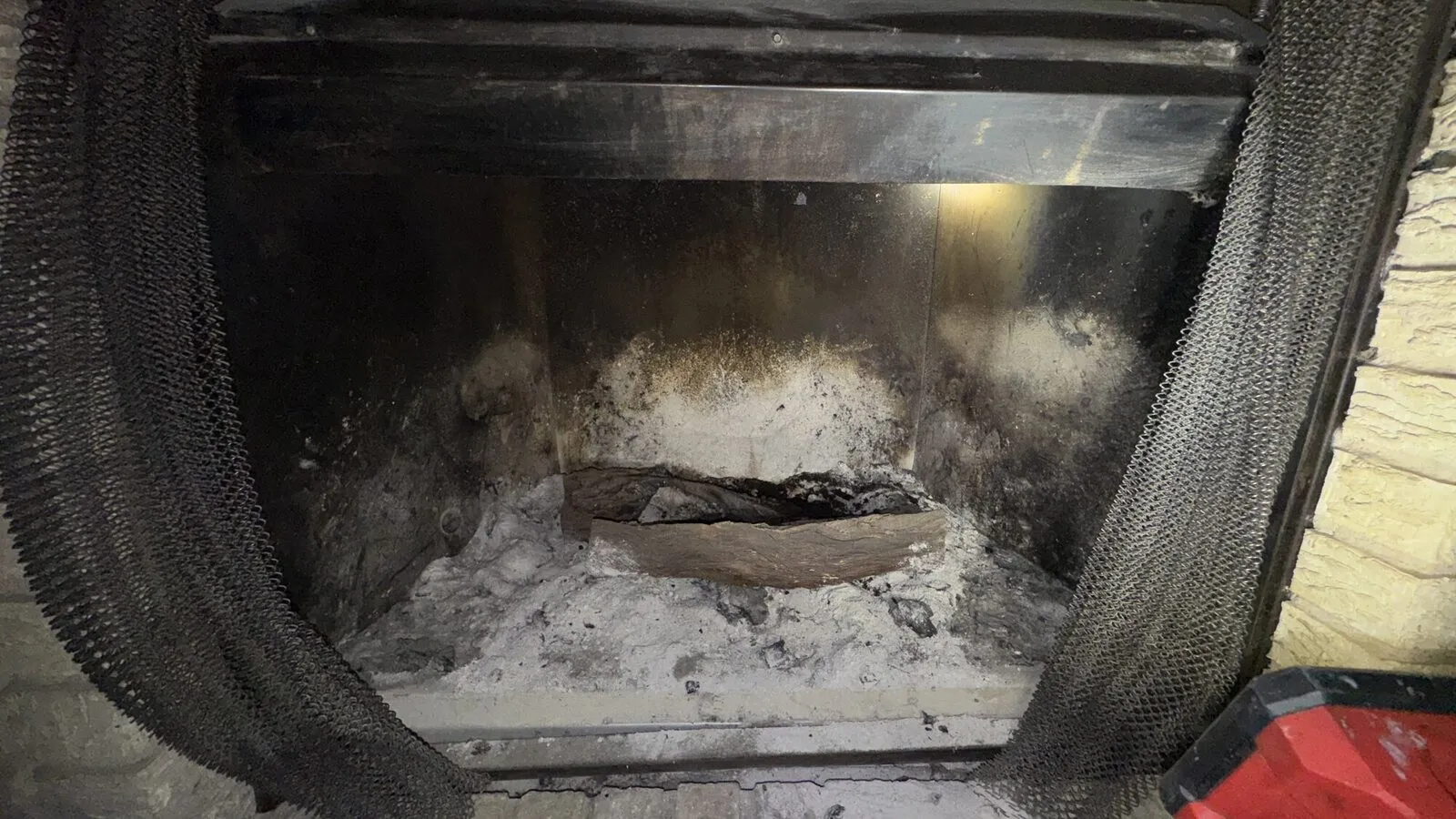
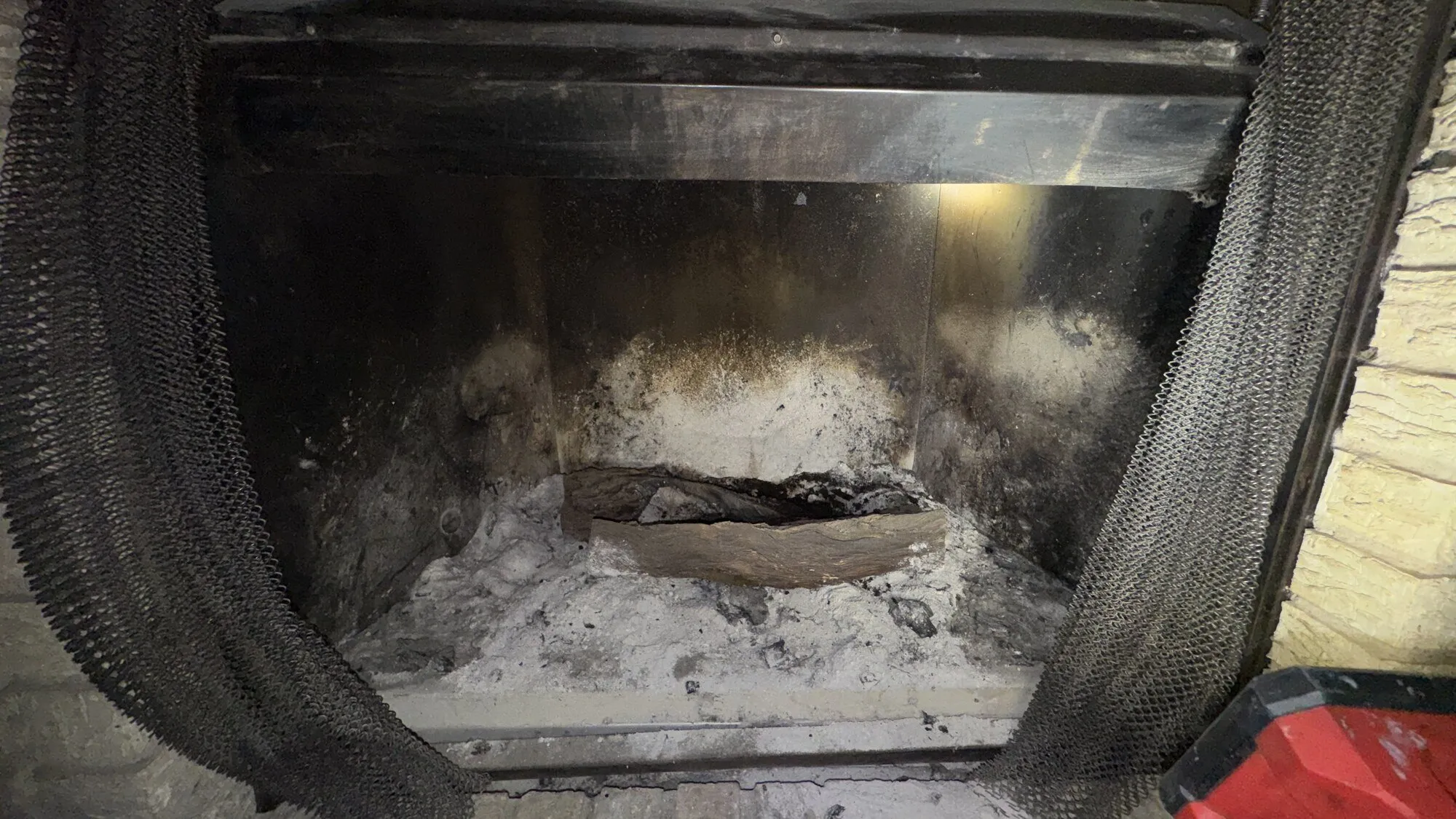
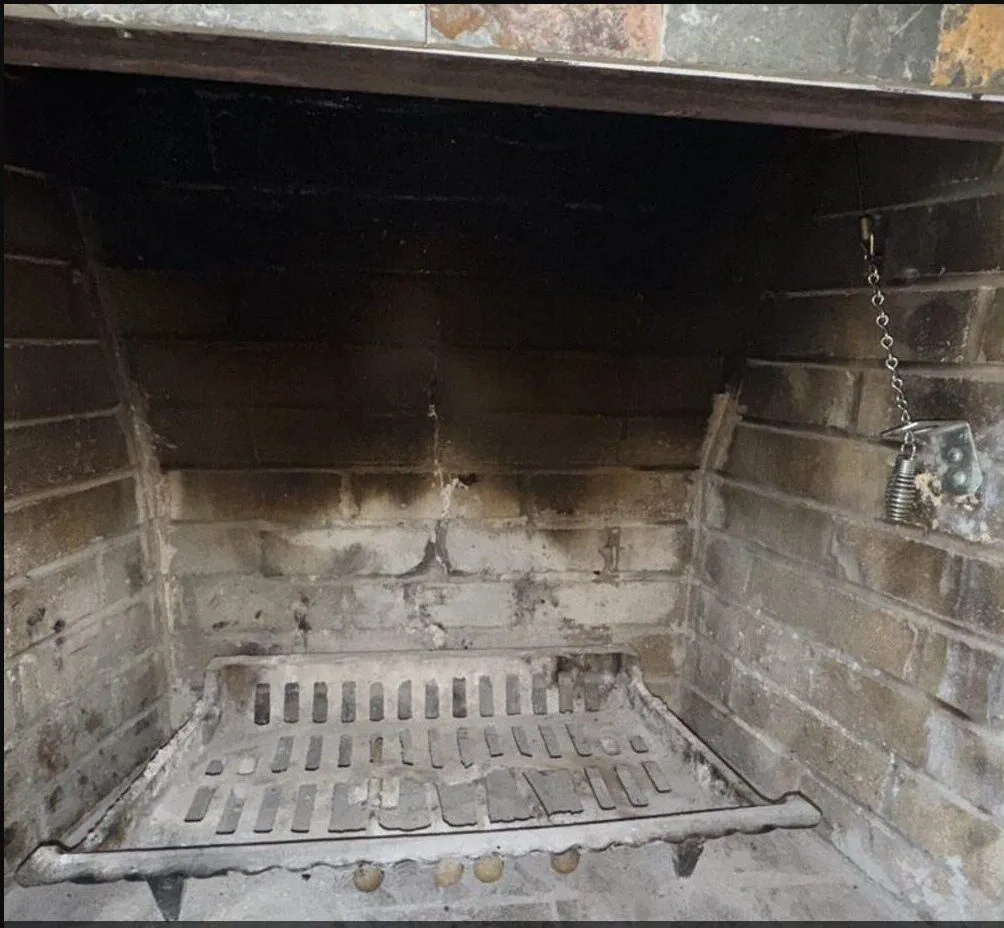
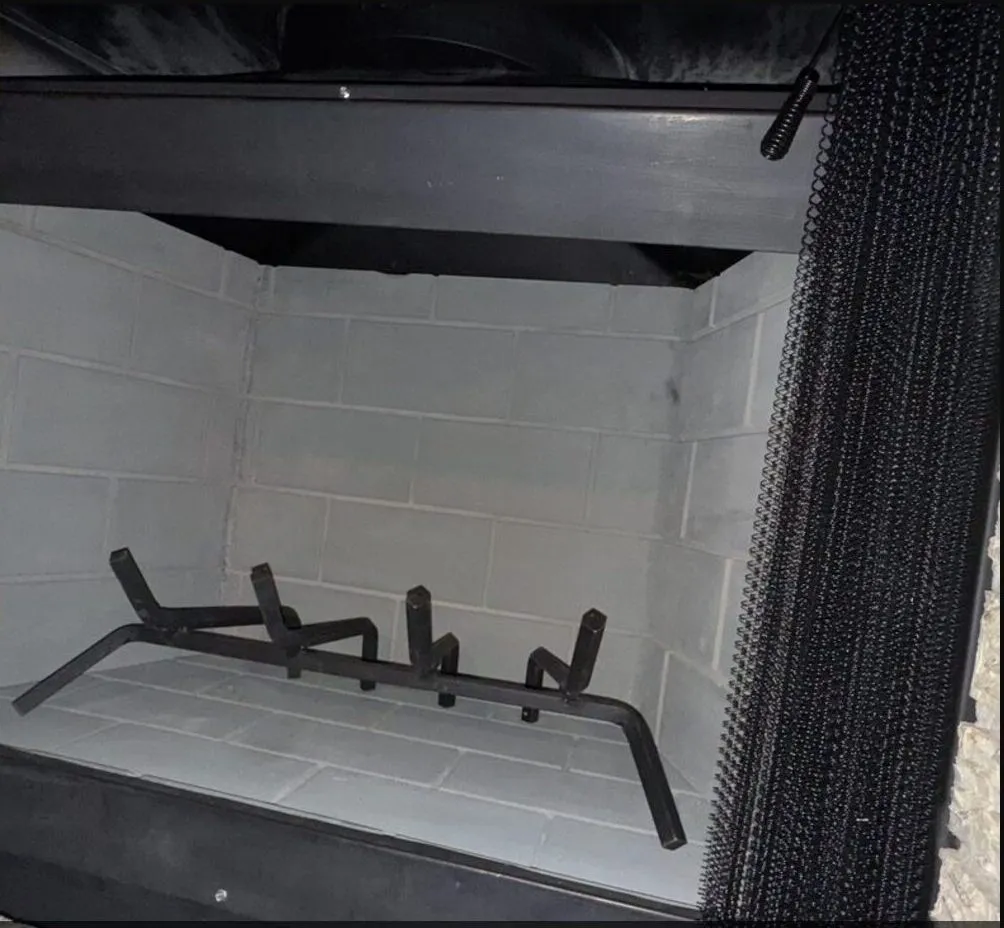
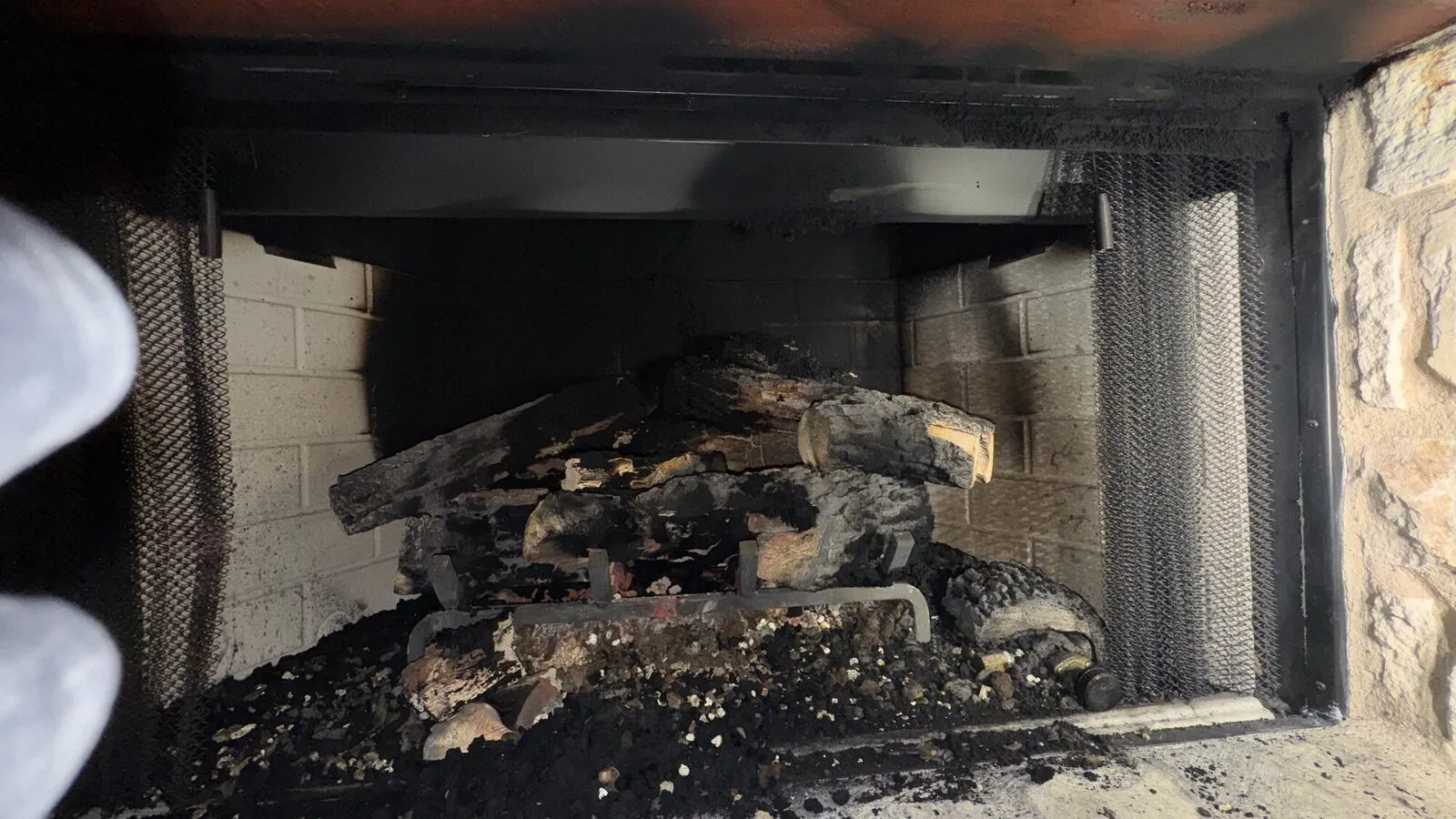
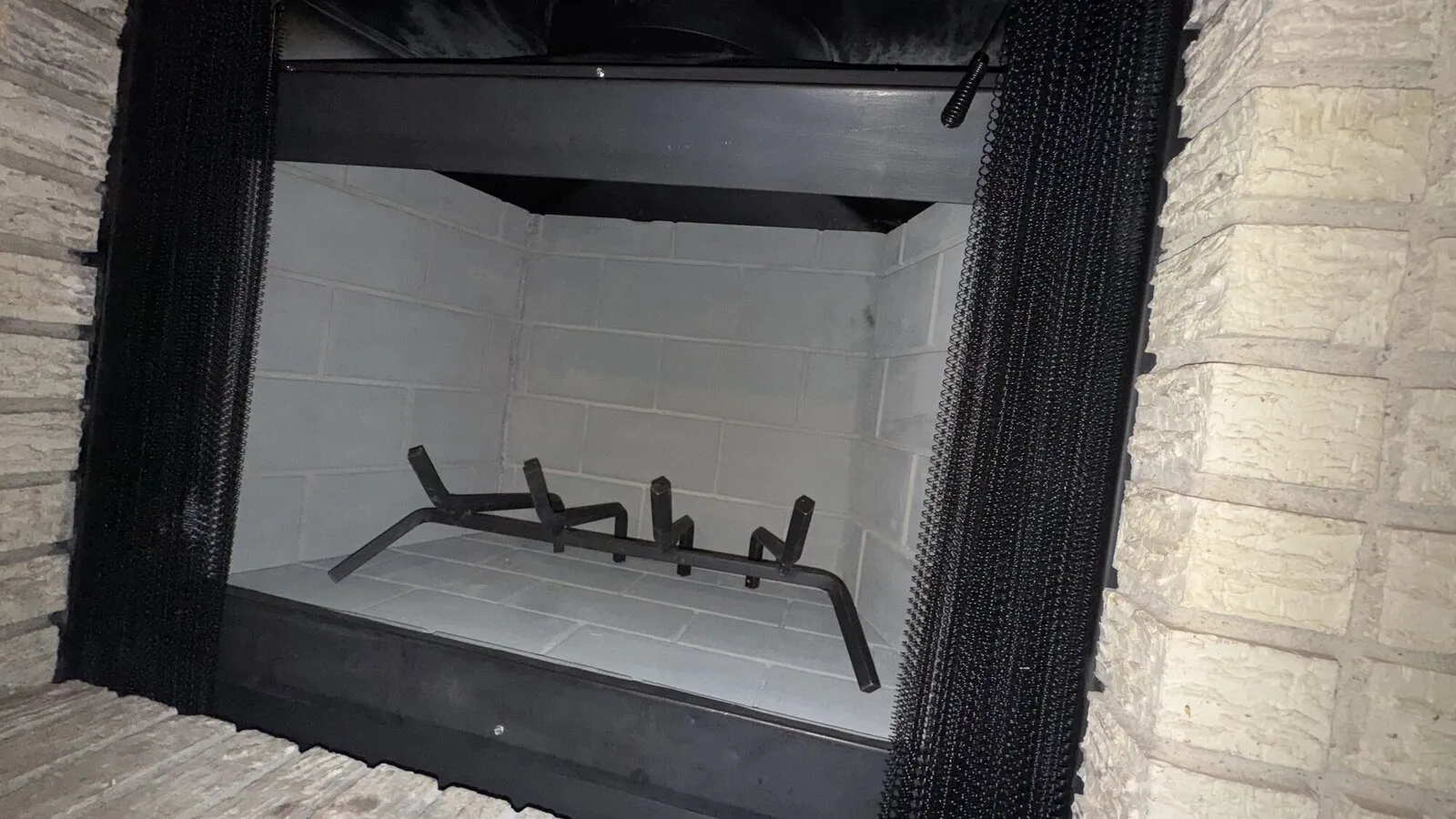
We check the inside of the firebox: brick, refractory panels, mortar joints, cracks, damage, signs of overheating and other defects.
Cracked or crumbling refractory panels, open mortar joints, a back wall that has been overheated, gaps where the firebox meets the hearth.
The whole firebox, then close-ups of every defect.

Damper
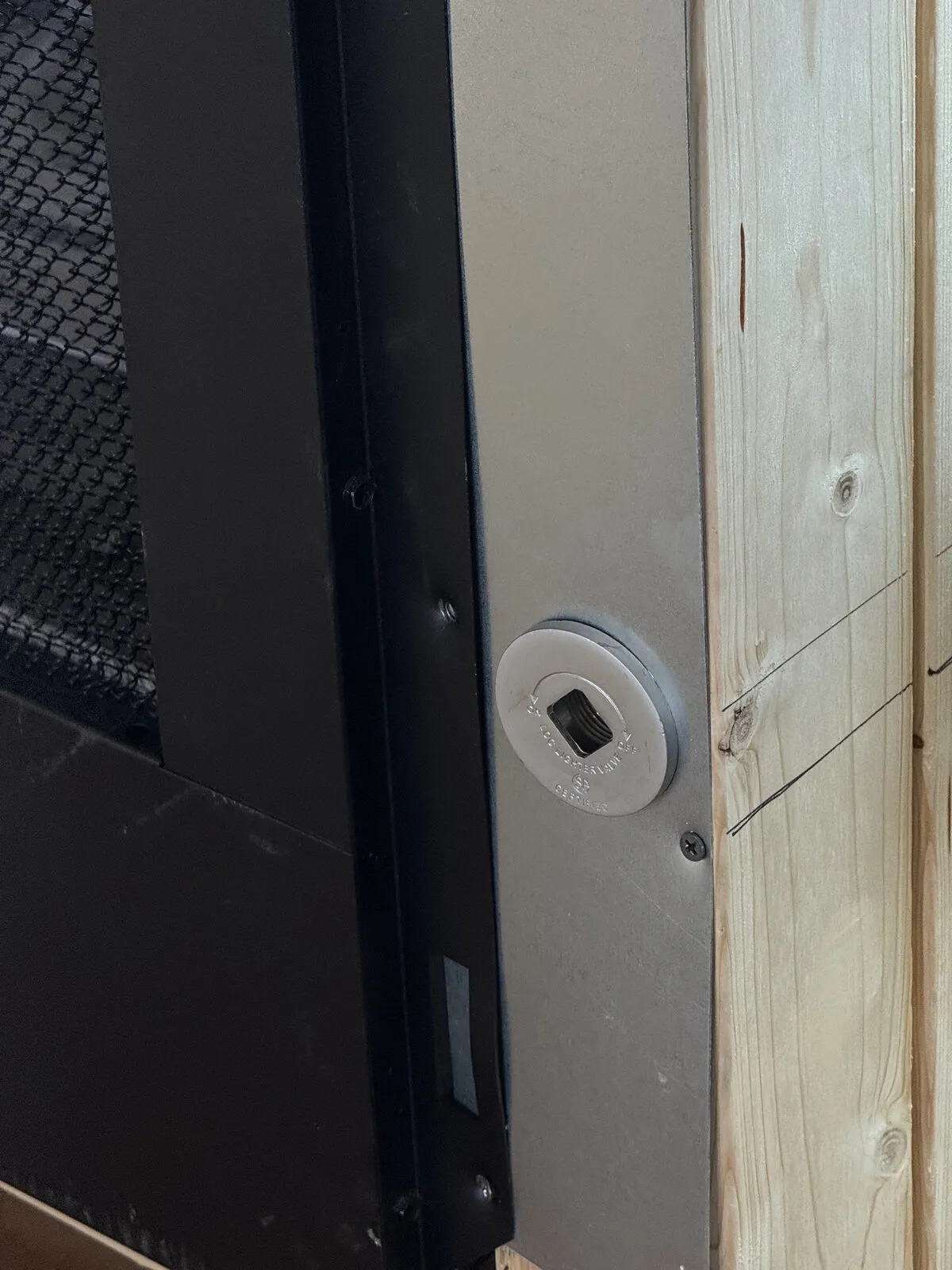
We check that the damper opens and closes properly and look for rust, warping, damage and heavy buildup.
A damper that does not seal (your conditioned air goes up the chimney all summer), one that is rusted stuck, or a warped plate that will not close.
The damper open, and any defects.

Smoke Chamber
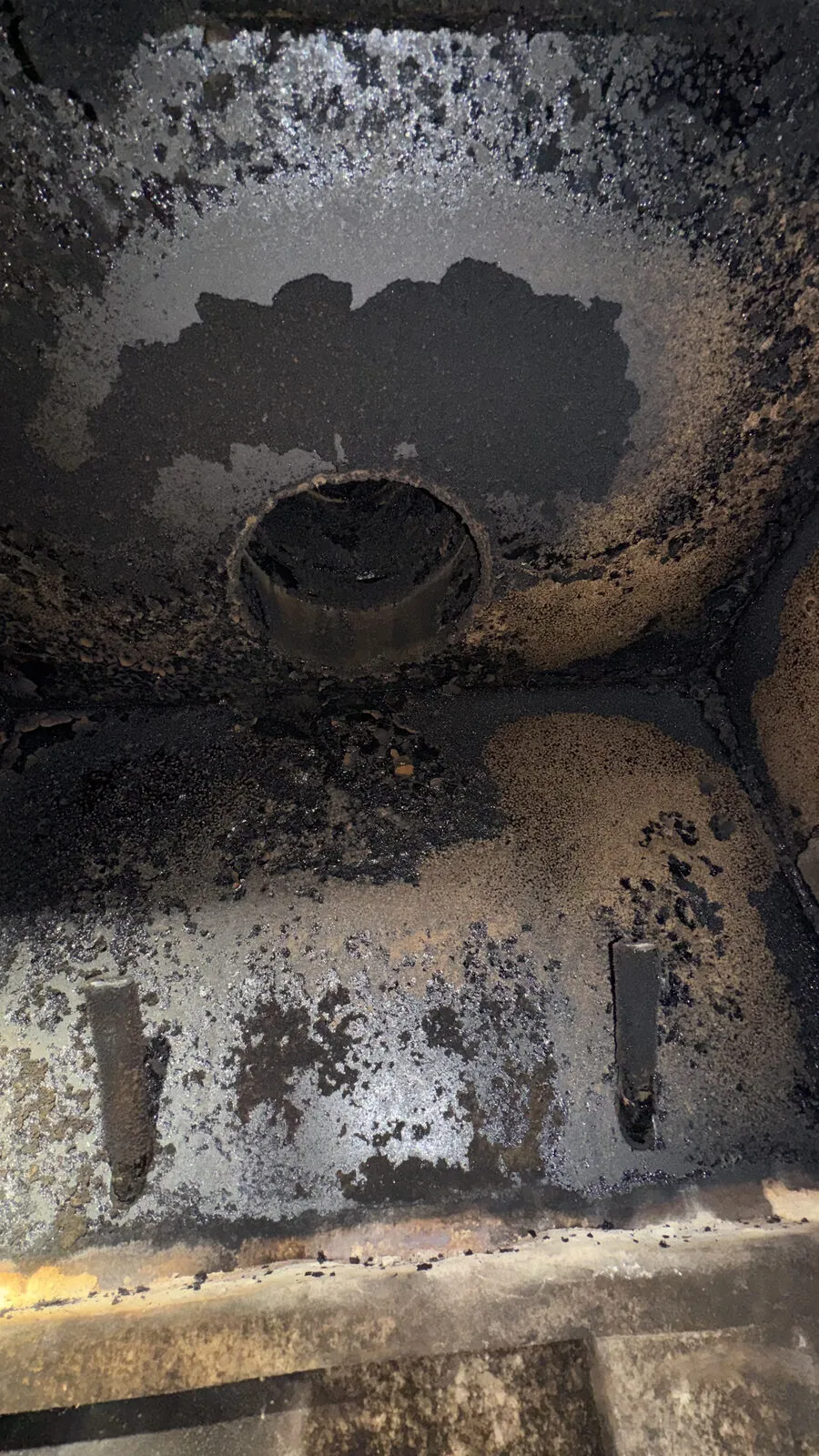
The smoke chamber is checked for creosote and soot buildup, cracks, masonry damage and other potential problems.
Glazed creosote, which is the most flammable form, cracked or missing parging, brick corbeling that has started to open up.
The clearest possible view of the smoke chamber, and the problem areas.

Flue
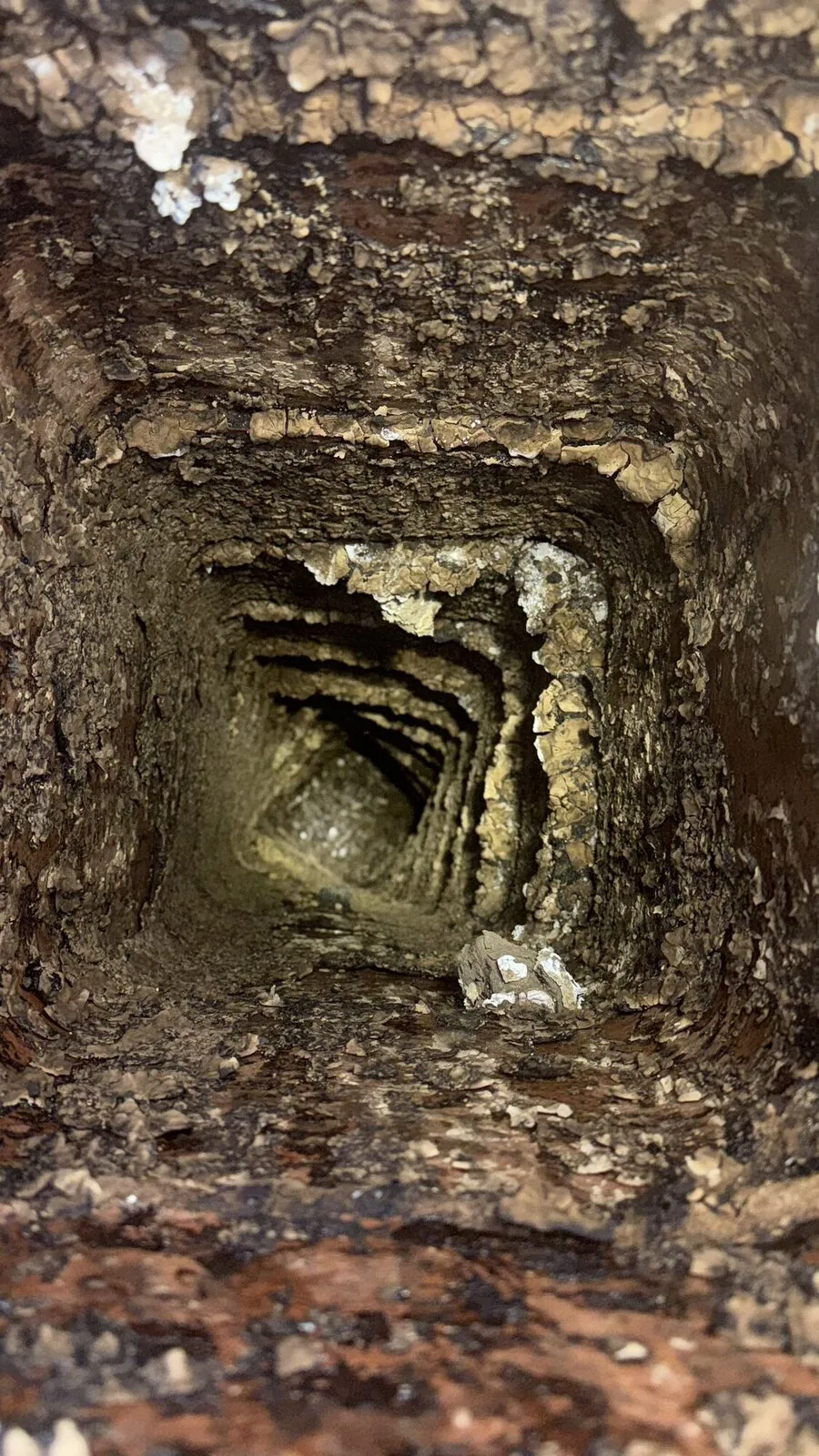
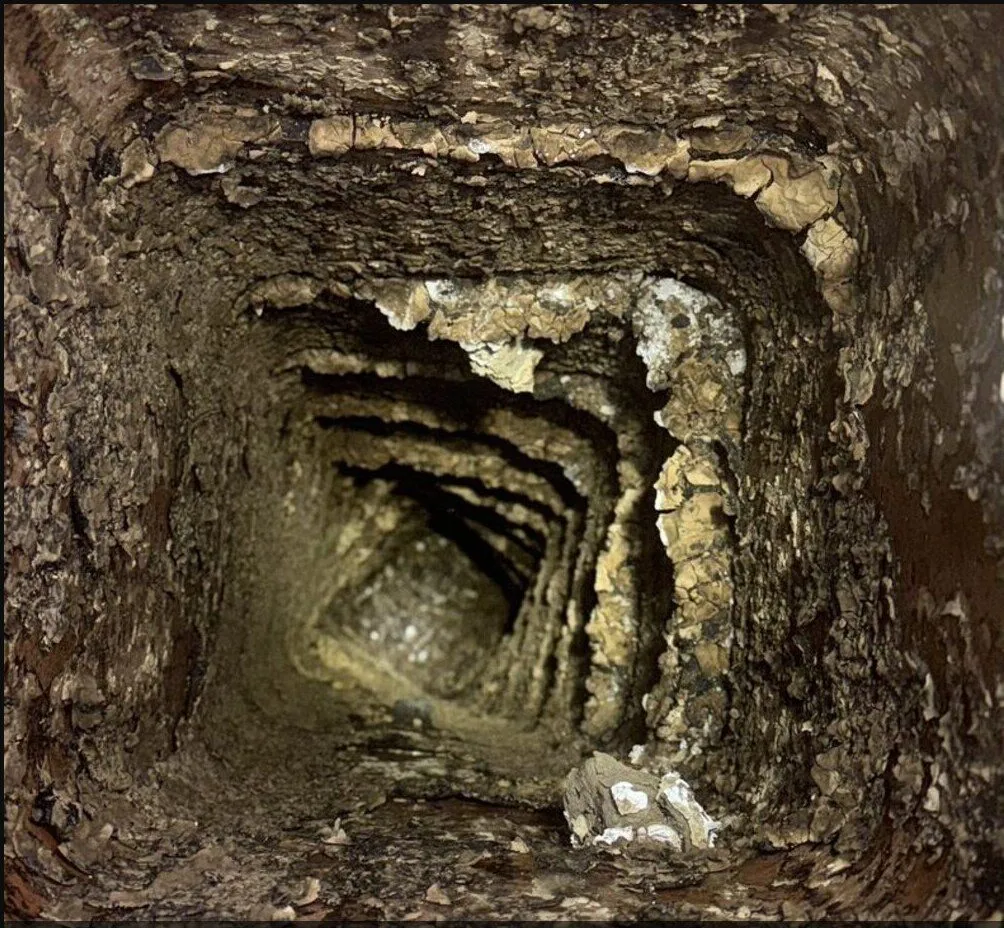
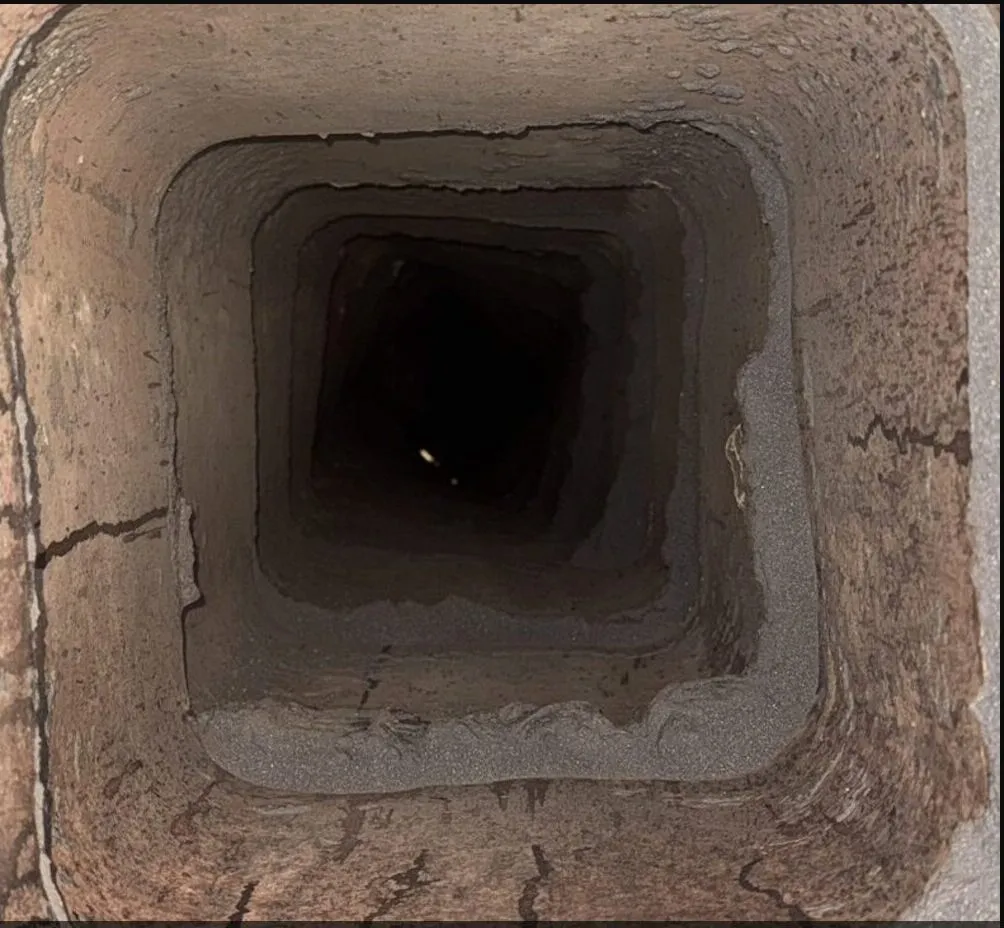
We check the chimney flue and liner for cracks, damaged or missing joints, buildup, blockage and other defects. Where possible a camera is used to see the sections we cannot reach.
Creosote thick enough to fuel a flue fire, cracked clay tiles, open joints in a metal liner, a bird nest or debris blocking the draft.
The condition of the flue, and separate photos of every defect.

Exterior & Chase
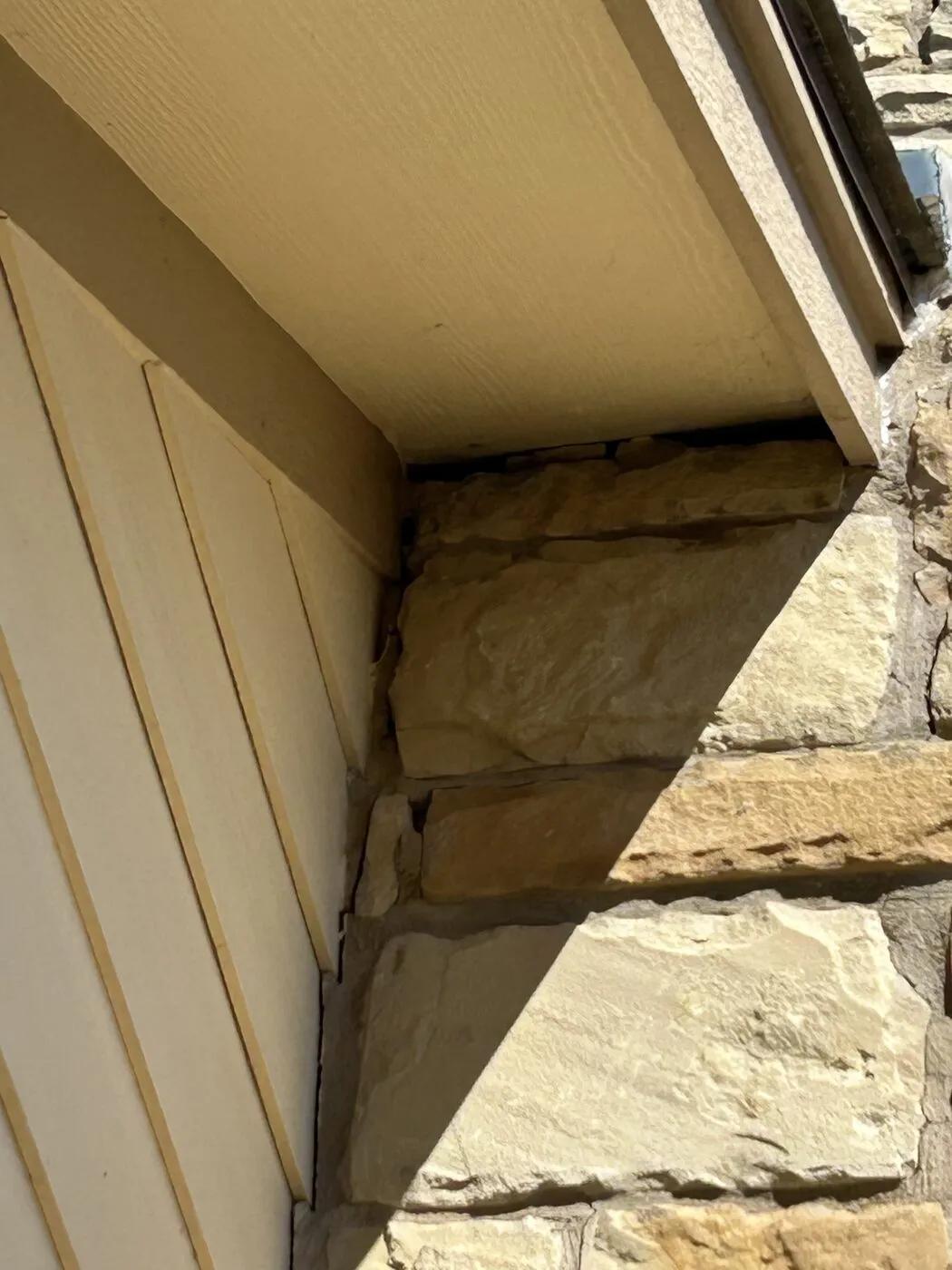
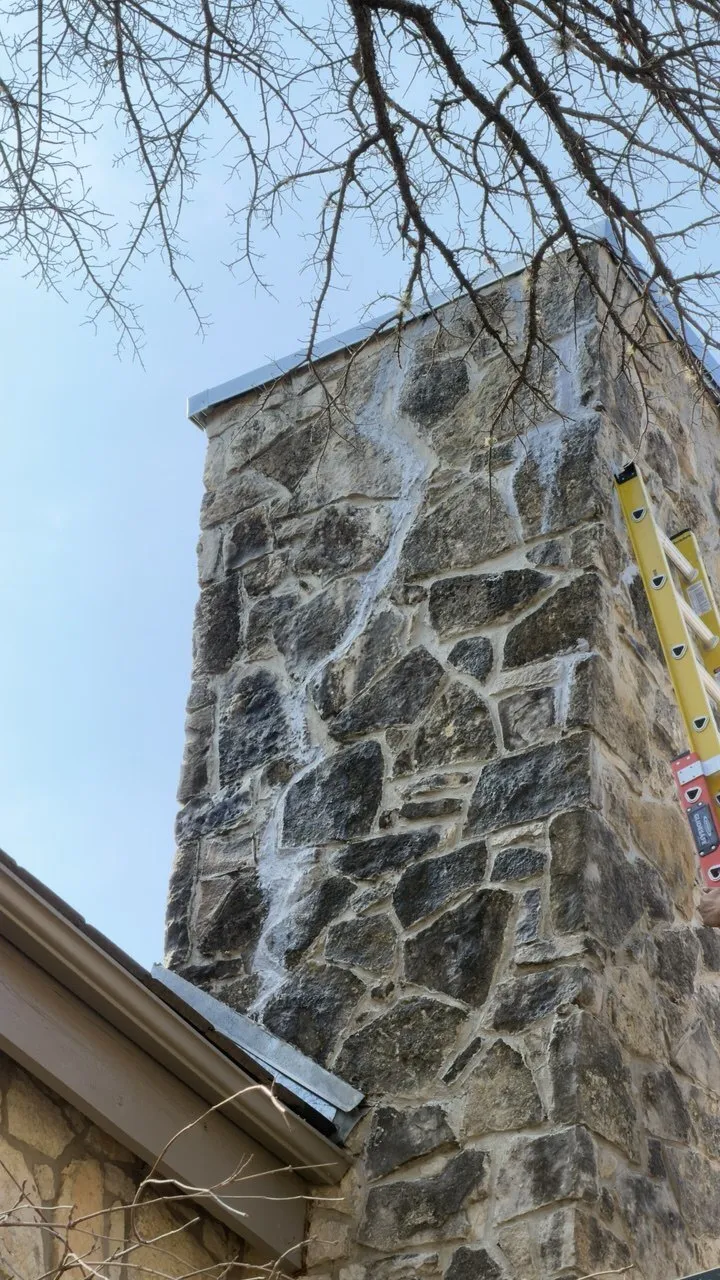
We go up on the roof and check the outside of the chimney or chase: siding or masonry, holes, damage, large cracks, deteriorated areas and possible points of water entry.
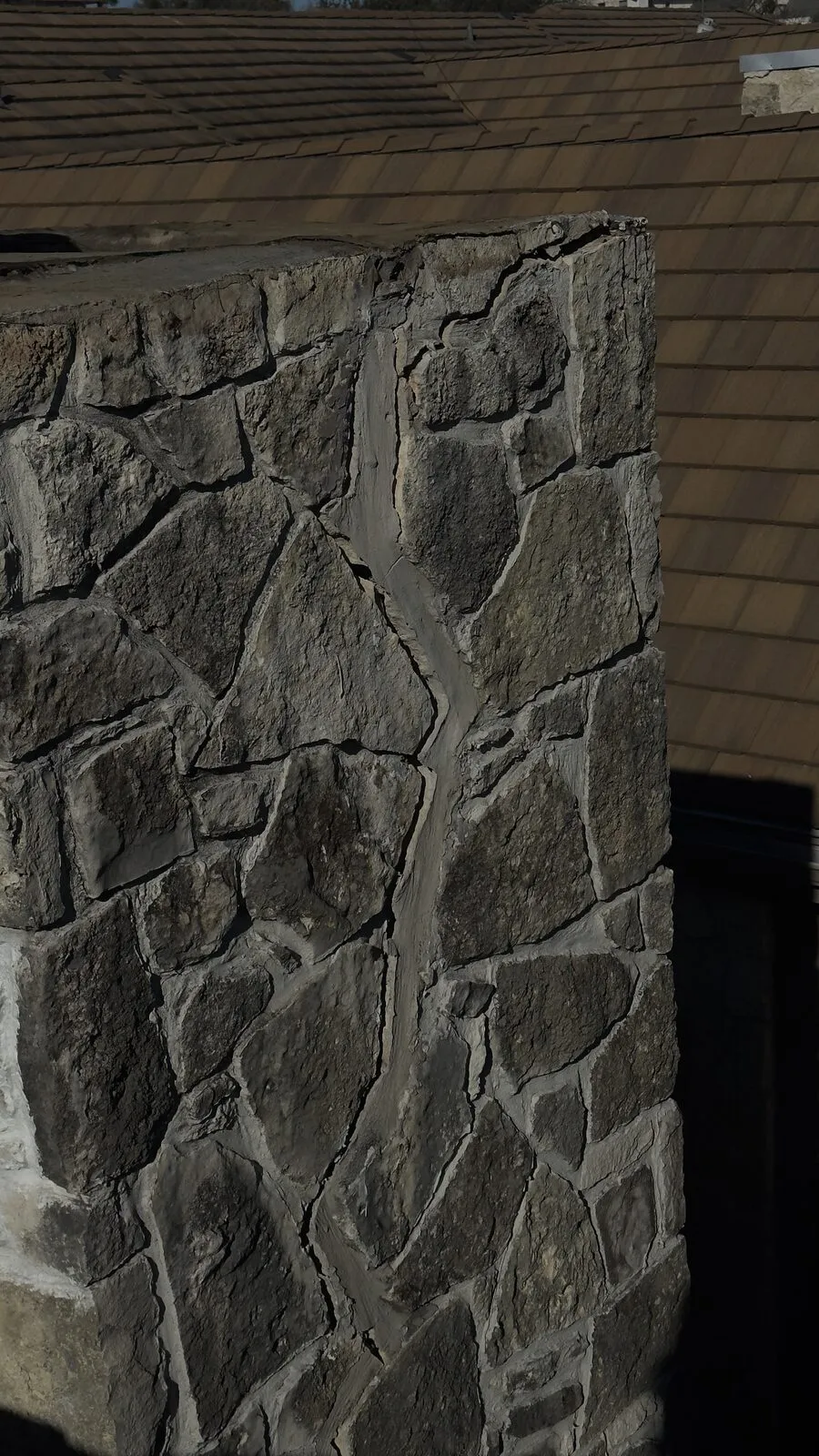
Cracked mortar joints running the height of a stone chimney, rotted siding on a framed chase, a chase pulling away from the house.
The chimney from every side that matters, and close-ups of the problems.

Flashing & Water Intrusion
We check where the chimney meets the roof: flashing, sealant and every other point where water could get in. We look for evidence that water is already getting into the structure.
Lifted step flashing, sealant that has dried out, a gap at the counter-flashing, staining on the sheathing below.
The flashing around the chimney, and every suspect spot.

Chase Top / Crown
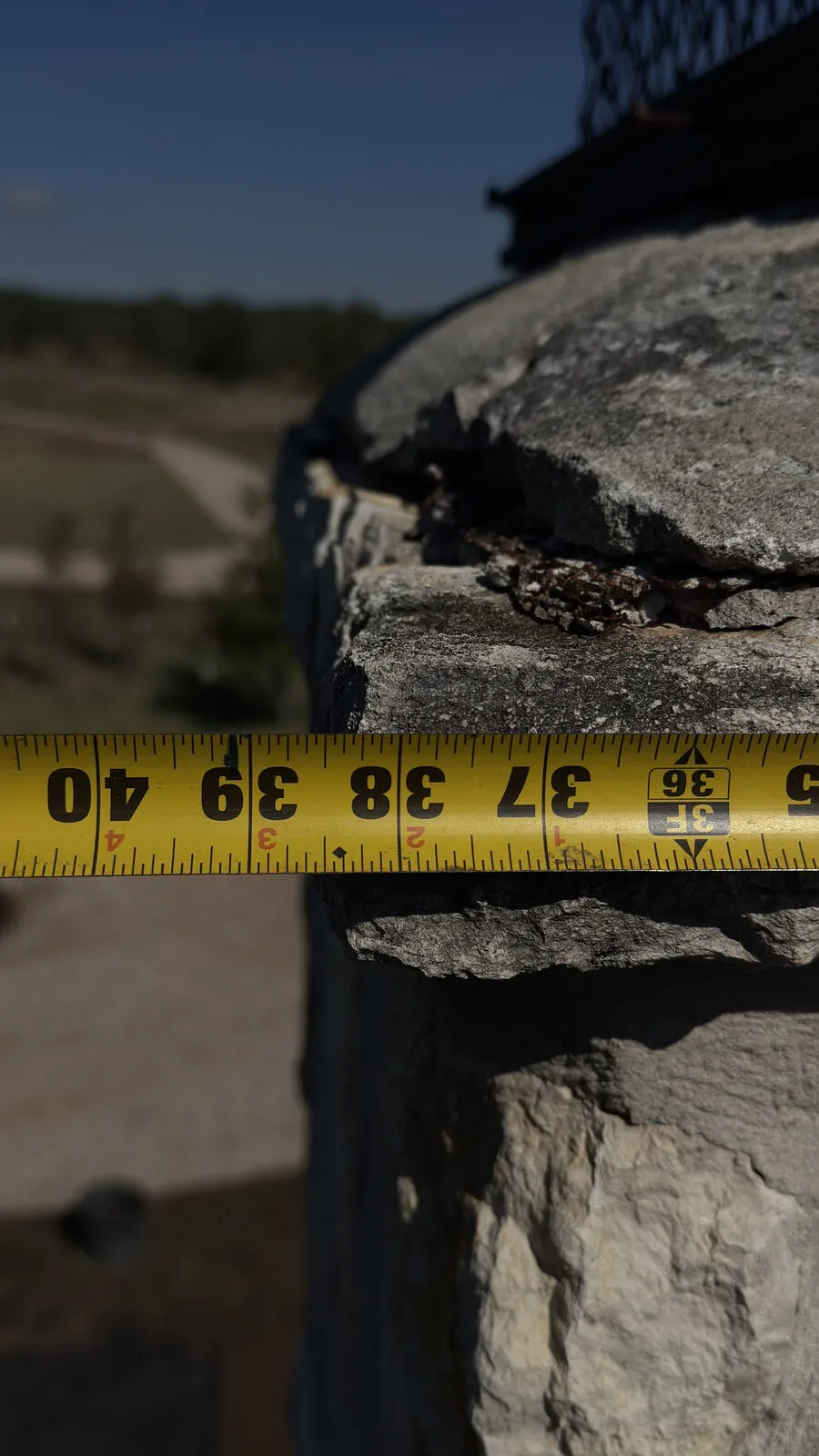
We check the chase top or chimney crown for cracks, rust, holes, damaged sealant, improper slope and signs of water intrusion.
A crown cracked from the flue tile to the edge, a flat crown that pools water, a rusted-through chase cover, sealant that gave up years ago.
The full view from above, and each defect on its own.

Chimney Cap
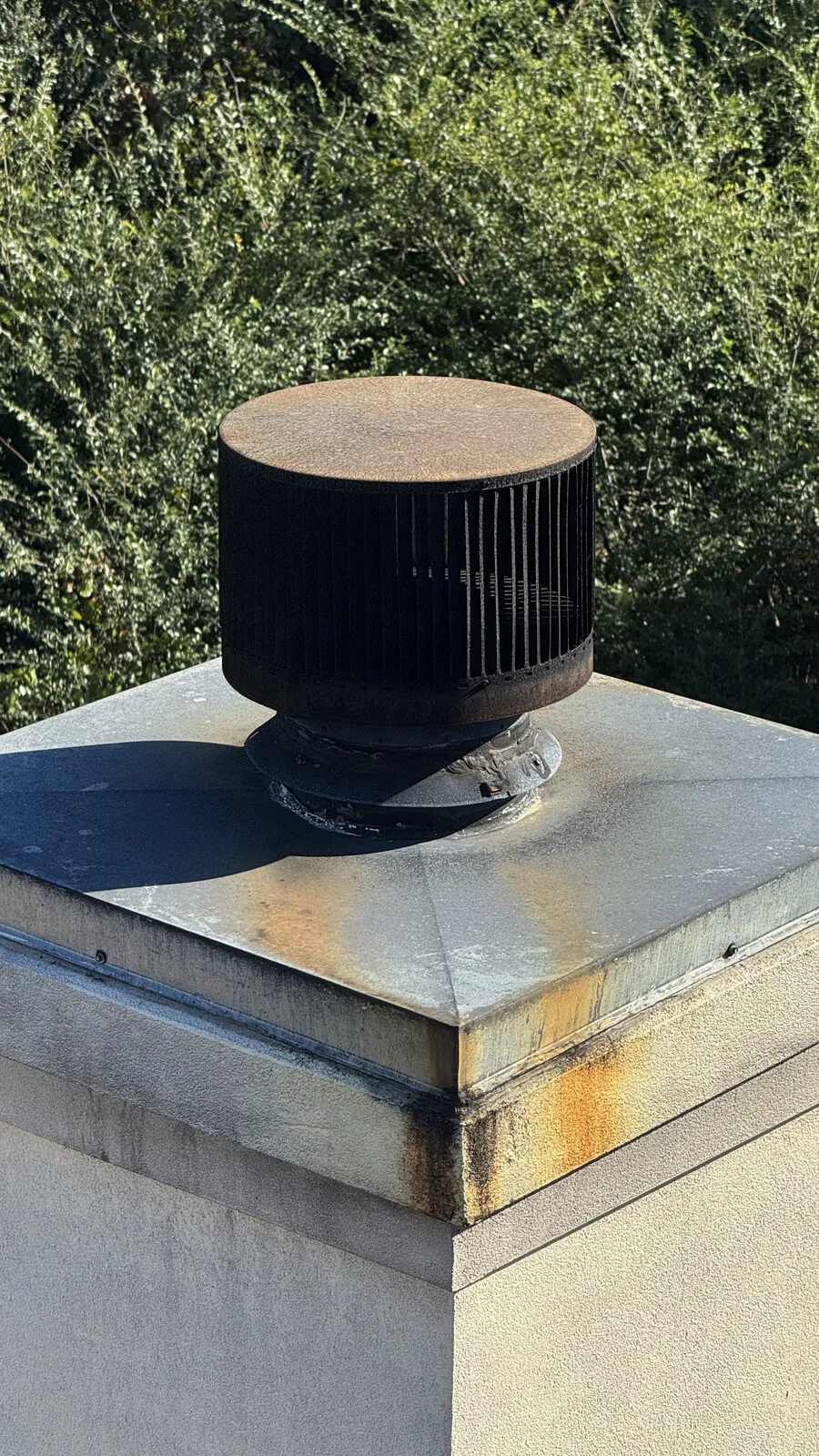
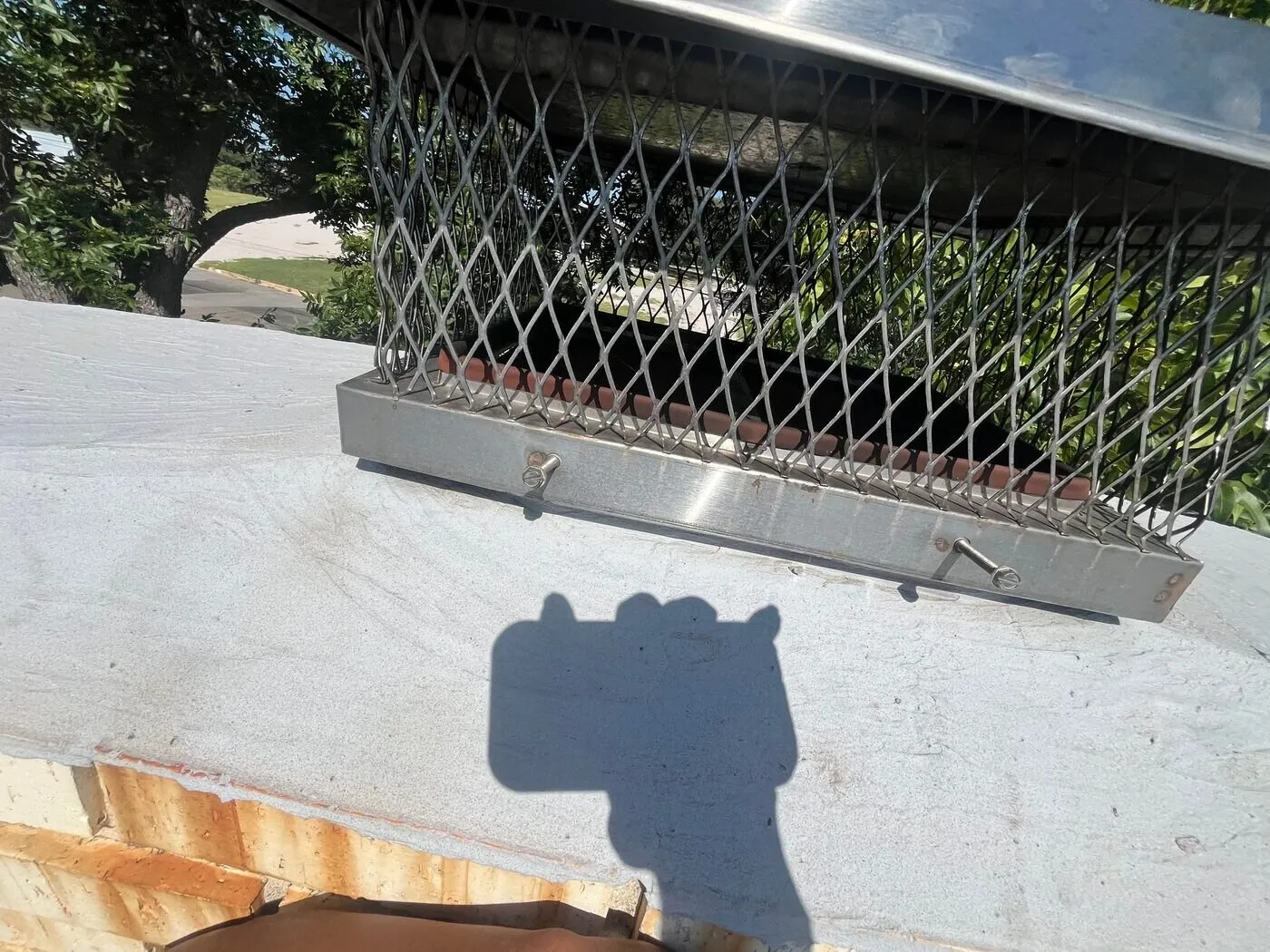
We check the cap for damage, heavy corrosion, missing parts, the condition of the spark arrestor screen, and buildup that restricts airflow.
A missing cap (rain and animals go straight down the flue), a screen clogged with creosote, rust bleeding down the crown.
The whole cap, plus close-ups of rust, damage or blockage.

Final Documentation
After the inspection the technician documents the overall condition of the chimney system. Every problem has its photo so you can see it, understand where it is, and get a recommendation for repair or maintenance.
The report that says "needs repair" with no photo behind it. That is what this step exists to prevent.
Everything above, organized top to bottom, with the recommendation next to the evidence.

Our rule for every technician: No recommendation without documentation. If we recommend cleaning, repair, sealing or replacement, you see the photo that explains why.
What You Get
After the Inspection
The full path, firebox to cap: Firebox, Damper, Smoke Chamber, Flue, Roof and Chase, Flashing, Chase Top or Crown, Chimney Cap, then the report. Each item is marked fine, needs cleaning, or needs repair, and every "needs" comes with the photo that proves it.
Case:
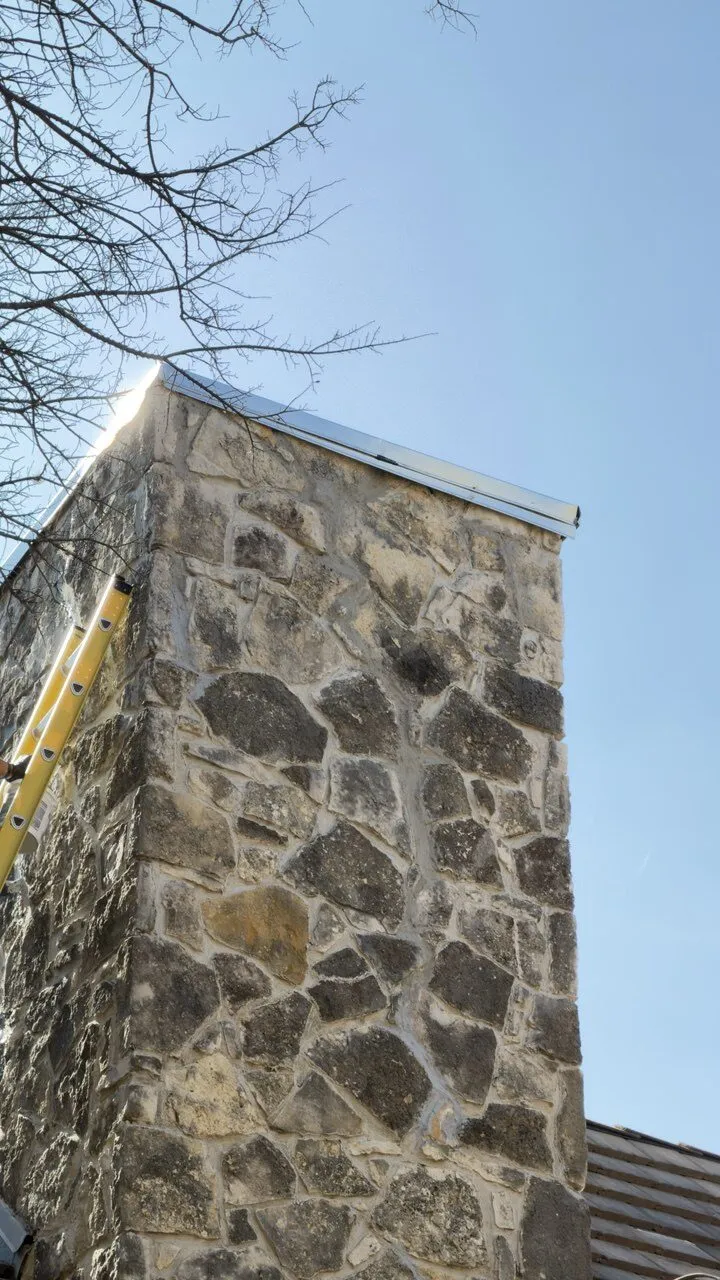
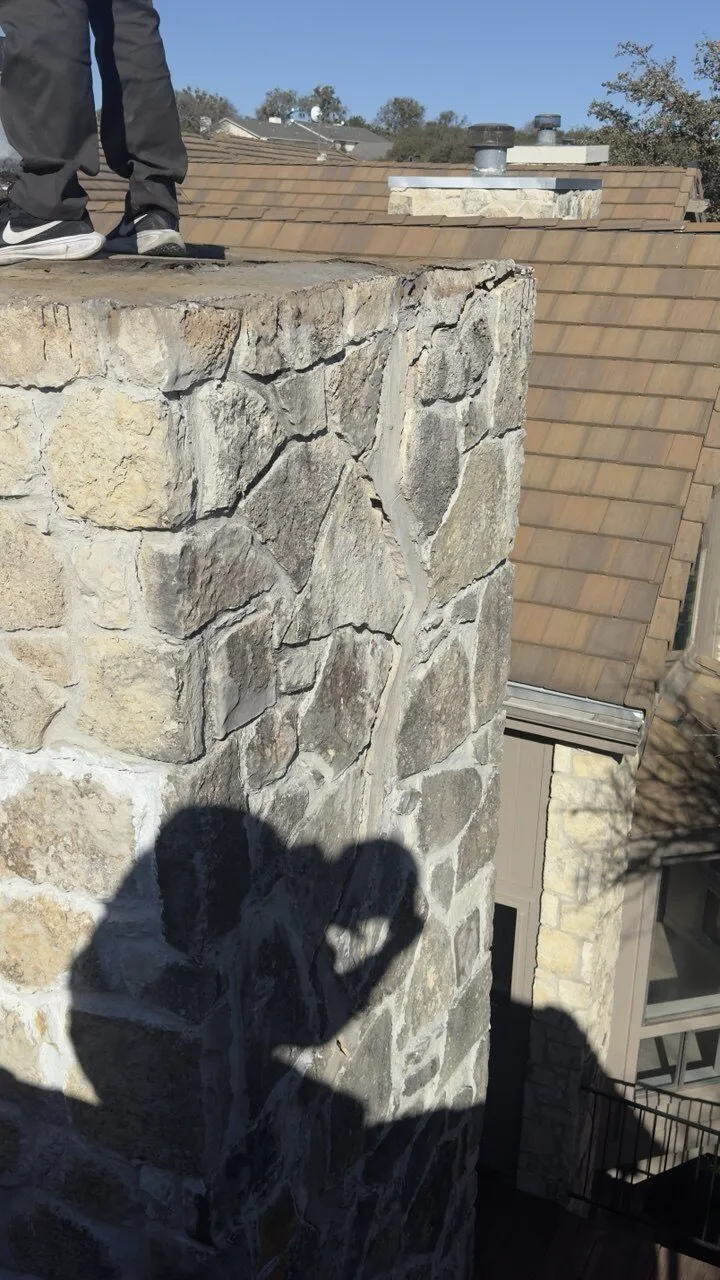
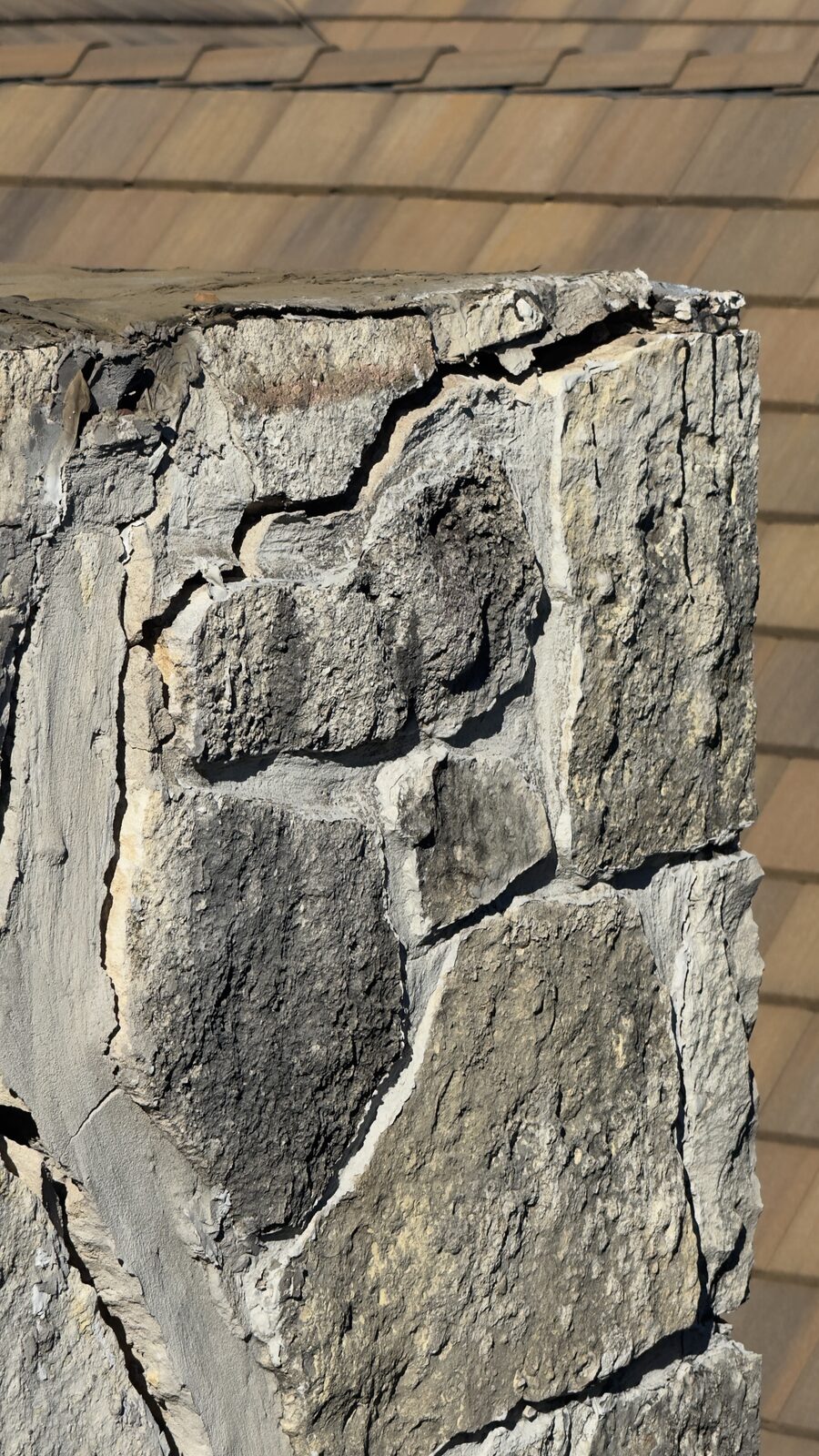
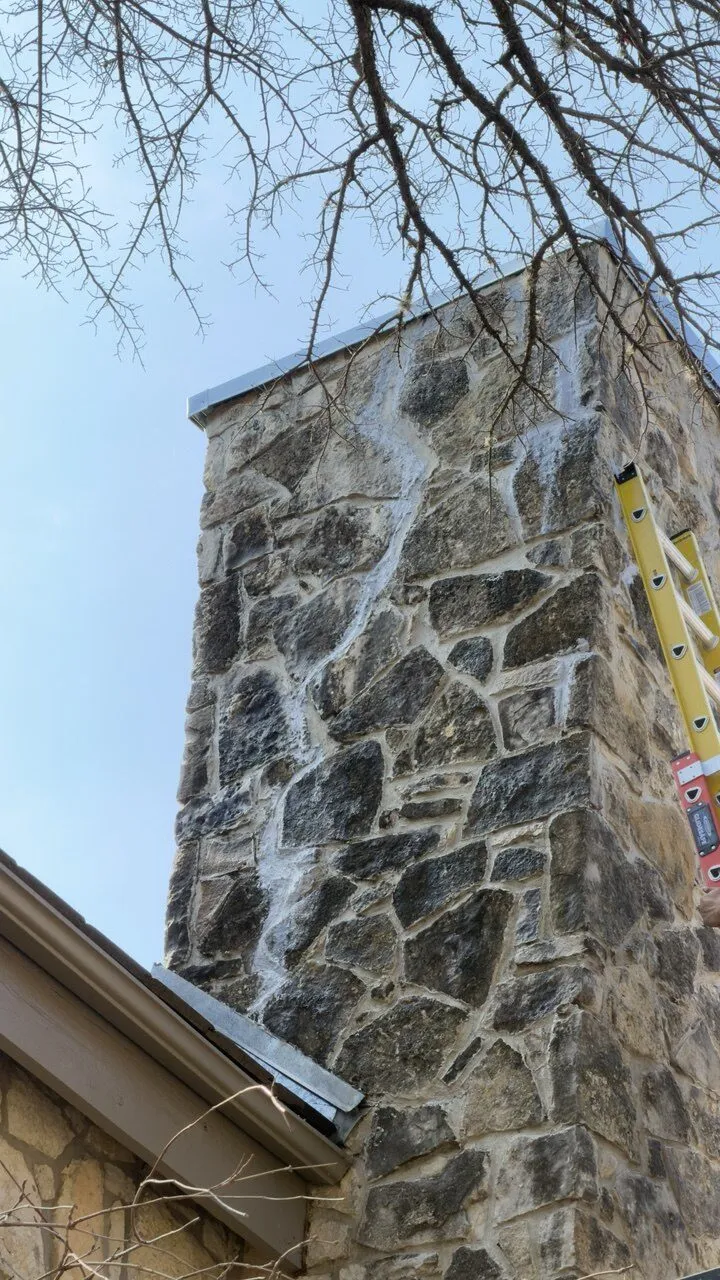
Stone Chimney, Cracked Mortar Joints
The homeowner called about smoke smell. The firebox and flue were fine. The problem was on the roof: mortar joints on the stone chimney had opened up top to bottom and water was getting into the chase. The photos on the left are from the inspection, the photos on the right are the same joints after repointing and sealing.
Before, from the inspection


After


Where the Inspection
Can Lead
If the inspection finds something, these are the services it points to. If it finds nothing, you keep the photos and we leave.

Chimney Cleaning
Creosote out, damper and firebox checked, ready before the first cold front. Photos from inside the flue so you see what we saw.

Chimney Repair
Cracked crowns, missing caps, loose brick and leaking flashing fixed before water gets into the house. Written quote after we look, not before.

Chimney Installation
A new or replacement chimney system built to code, sized to the fireplace, and inspected before we hand it over.
Found on Inspection,
Fixed the Same Week
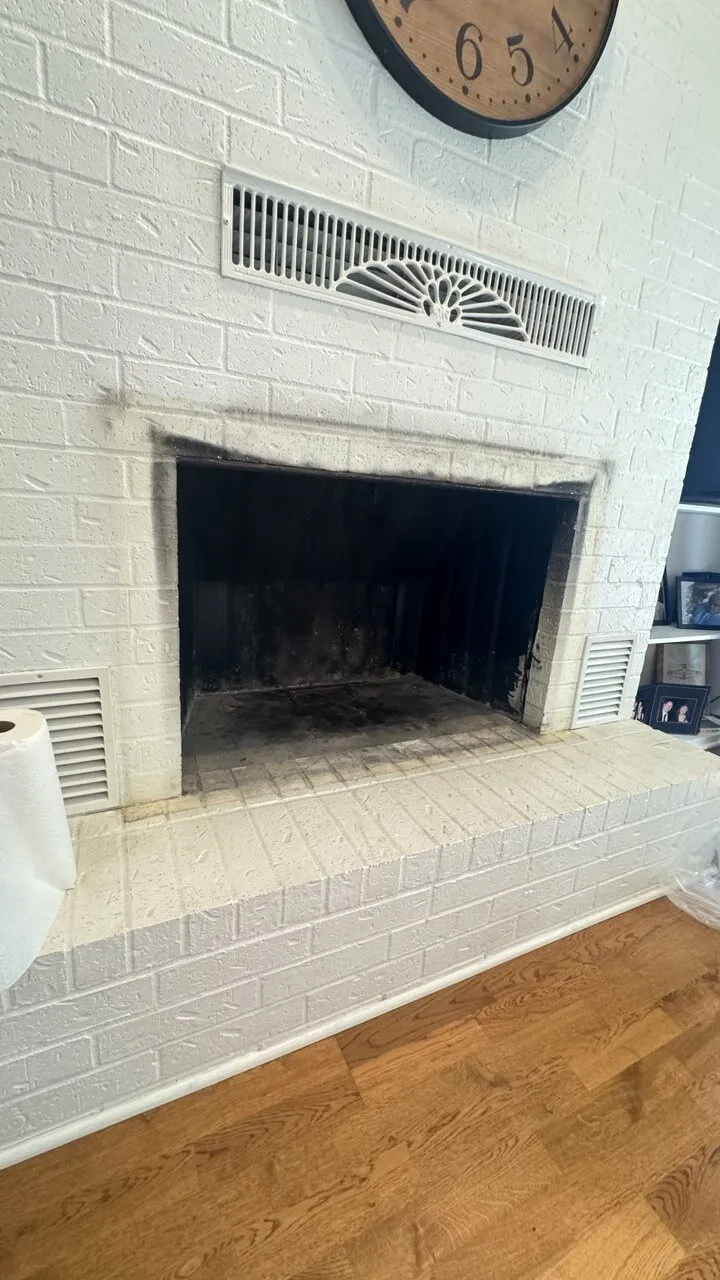
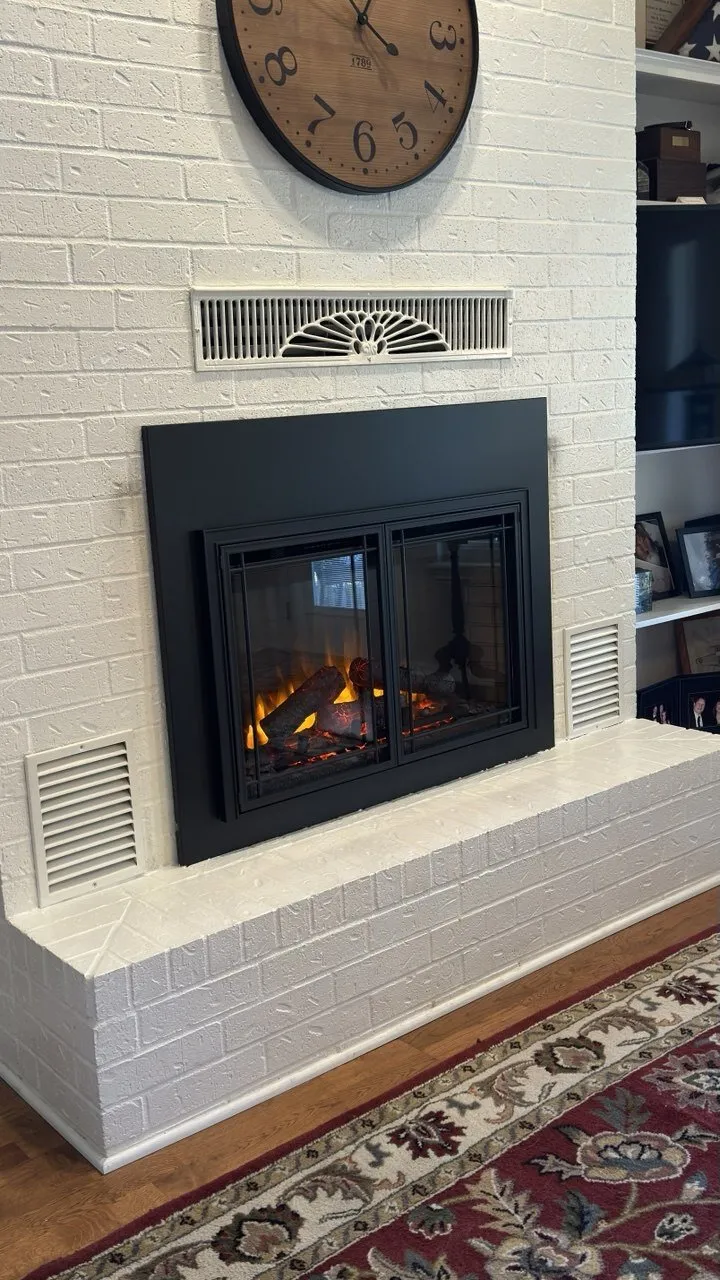
Real chimney findings from Central Texas homes, before and after.

BeforeAfter
BeforeAfter
BeforeAfter
BeforeAfterWhat Central Texas
Homeowners Say
Read what local homeowners say about the inspection and the work that followed.
We used Air Duct Busters for a chimney inspection and cleaning. Noah contacted us with his expected time of arrival. He was on time, pleasant, courteous and knowledgeable. He explained what he looks for in an inspection.
Read on GoogleThese guys were amazing! In 35 minutes they diagnosed safety issues, did the cleaning and gave me all my options for making fixes. Will definitely be calling them again!
Read on GoogleHad Noah come and inspect and clean chimney. Provided details and explained process and educated on potential hazards. Great job thank you!
Read on GoogleFree Chimney Inspection
Across Central Texas
Air Duct Busters inspects chimney systems for homeowners throughout Central Texas, including Marble Falls, Horseshoe Bay, Burnet, Georgetown, Leander and surrounding communities.
Read Before
You Book
Short reads from the crew: what we find in Hill Country homes, what it costs, and what to do about it.

Outdoor gas fire pit service: what we check and why, from our crew
Lava rock, a long burner and a lot of Texas weather between uses. Our crew explains how they service an outdoor gas fire feature, what goes wrong, and what is not their job.
October 11, 2026 · 4 min read

How we size and fit a chimney cap: a Q&A with our crew
Single flue or multi flue, mesh size, metal and what has to be right under the cap first. Our crew explains how a cap job actually goes from the roof.
October 14, 2026 · 5 min read
Get the chimney inspected before the first cold front, not during it
What a chimney inspection covers, why the annual check exists, what creosote actually is, and why the calendar in the Hill Country makes October the wrong month to start looking for a sweep.
September 7, 2026 · 4 min read

Frequently Asked
Questions About the
Chimney Inspection
Is the chimney inspection really free?
Yes, within our service area, including the roof portion. You get the photos and a written price for any cleaning or repair we recommend. No obligation.
Is this a Level 1 or Level 2 inspection?
The nine-point walk-through above is our standard visual inspection, comparable to Level 1, with a camera scan of the flue where the flue allows it. If you are buying or selling the house or have had a chimney fire, ask for the extended version and we scan the full liner.
How often should a chimney be inspected?
Once a year if you burn regularly, and always before the first cold front if the fireplace sat unused through summer. Water damage from the outside happens whether you burn or not.
Do you go on the roof?
Yes. Half of the inspection is up there: chase, flashing, crown and cap. A chimney cannot be inspected from the yard.
Gas fireplace, do I still need this?
Yes, a shorter version. The firebox, damper and cap still matter, and gas logs leave their own deposits. We also check the gas valve area and the glass doors.
Can you clean or repair the same day?
Cleaning, cap replacement and minor sealing, usually yes. Crown rebuilds, repointing and liner work are quoted on the spot and scheduled.
Book Your Free
Chimney Inspection
Leave a number and we call back within the hour to set a window. Photos at every step, written price before any work.
+1 (737) 299 19 19